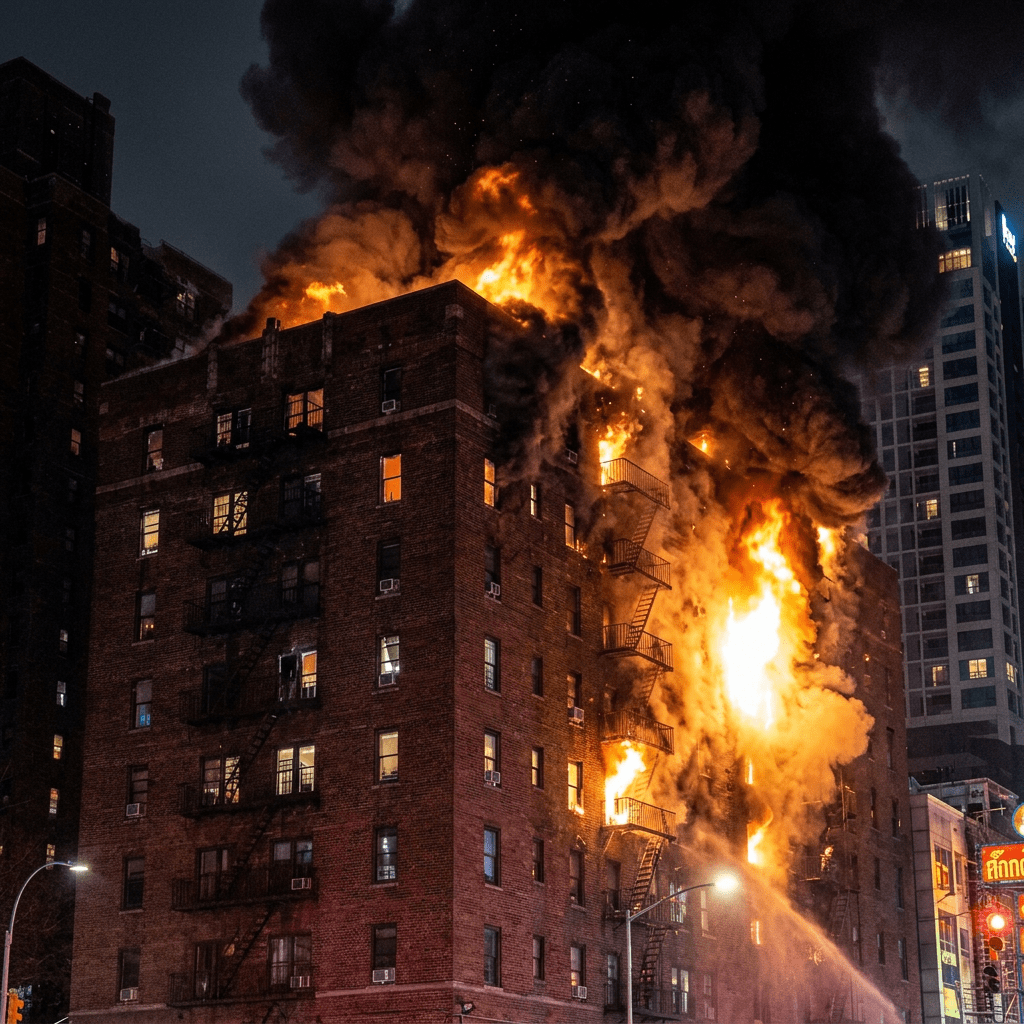
On 1 January 2026, a horrific fire tore through Le Constellation bar in the luxury Swiss ski resort of Crans-Montana.
Six months later, on 12 July 2026, a remarkably similar tragedy occurred at the Rong Beer Na Ladprao music pub in Bangkok, Thailand. Both disasters shared nearly identical anatomical DNA: packed indoor venues, an unexpected ignition, and highly flammable acoustic soundproofing foam that turned a celebratory room into an inescapable inferno.
Yet, if you rely on mainstream international news outlets, you likely know the names, faces, and heartbreaking backstories of the teenagers who died in the Swiss Alps, while the 33 victims in Bangkok remain largely anonymous statistics.
This disparity is not an accident of journalism; it is the predictable output of a deeply entrenched system of geographical and cultural bias in global media reporting. By analyzing these two concurrent tragedies through the lens of communication theory, we can see exactly how the international press constructs a distinct “hierarchy of suffering.”
1. “Elite Nations” and Cultural Proximity
Johan Galtung and Mari Holmboe Ruge’s foundational 1965 study on structural gatekeeping established that “cultural proximity” and “elite nations” are the primary drivers of international news. Western media networks—such as the BBC, Reuters, and the Associated Press—are headquartered in the Global North. Consequently, they filter world events through a lens of shared identity, language, and economic lifestyle.
Crans-Montana is an affluent, world-famous European ski resort. For Western audiences, it represents safety, luxury, and familiarity. When disaster strikes an elite location, the shock value is magnified. Furthermore, because several victims were Western European teenagers and students educated in the UK, Western newsrooms treated the event as a domestic tragedy, publishing extensive family statements and biographical tributes.
Bangkok, despite being a major global metropolis, is frequently coded in Western journalism as part of the Global South. Because the victims were local Thai residents rather than international tourists, the “cultural proximity” link was broken for Western editors, resulting in a severe drop in empathetic, human-interest storytelling.
2. The Architecture of Framing: Tragedy vs. Pathology
How a story is framed alters how audiences process human suffering. Media researcher William C. Adams, in his landmark study Whose Lives Count?, demonstrated that the volume and tone of disaster coverage depend entirely on the geographical region.
Textual analysis of the 2026 fires reveals a stark contrast in journalistic framing:
- The Swiss Fire was framed as an unthinkable, isolated tragedy. The language emphasized profound shock, grief, and the legal anomaly of a venue bypassing safety checks. The focus was firmly on the stolen futures of the young victims.
- The Bangkok Fire was framed through a lens of systemic pathology. Outlets routinely contextualized the fire as “the latest in a long history” of regional building failures.
By framing the Bangkok disaster as a symptom of a developing country’s infrastructure lapses, the media subtly signals to audiences that such events are tragic, but ultimately expected. This distances the reader from the individual humanity of the victims, reducing 33 vibrant lives—including four members of the talented house band Totsakan—to a faceless statistic trapped in a windowless room.
3. Logistics, Infrastructure, and Viral Visuals
Beyond theory, the stark reality of media economics plays a massive role. International news agencies maintain their largest bureaus, satellite equipment, and staff in European capitals. Deploying journalists to a Swiss alpine town is logistically seamless, safe, and inexpensive for Western networks compared to navigating linguistic and bureaucratic barriers during a sudden crisis in Southeast Asia.
Furthermore, the Swiss fire was heavily propelled by viral visual assets. Because it was a high-profile New Year’s Eve party, tech-savvy patrons captured high-definition smartphone video of the exact moment the ceiling ignited. This horrifying, ready-made video content acted as a powerful visual anchor, flooding social media algorithms and forcing international broadcasters to lead their evening segments with the footage. The Bangkok fire, occurring in a local music pub, lacked the same immediate, globally synchronized social media amplification.
4. News Factors: The Holiday News Vacuum
A secondary but notable contributor to this disparity is the physical space available in the global “news hole” at the time of each event. The Swiss fire erupted during the early hours of New Year’s Day—a notorious global news lull when political capitals are quiet and businesses are closed. With a vacuum of competing headlines, international news desks eagerly seized upon the tragedy, granting it prime real estate that sustained a multi-week lifecycle .
Conversely, the Bangkok fire occurred in mid-July. Placed into a heavily saturated summer news cycle of global geopolitical tensions and major sporting events, it faced immediate competition for airtime, which accelerated its rapid disappearance from international feeds.
The True Cost of Media Ethnocentrism
As communication scholar Stijn Joye noted in his research on the “hierarchy of pity,” the current structure of global news implies a troubling calculation: that the life of one individual in an elite, Western nation commands the same journalistic capital as dozens of lives in the Global South.
The fires in Crans-Montana and Bangkok were identical human catastrophes born of the exact same negligent errors—flammable soundproofing and indoor pyrotechnics. Both left behind shattered families and devastated communities. But as long as international news geography is governed by economic infrastructure and cultural narcissism, the world will continue to mourn some losses intimately, while passing over others in silence.



Leave a comment