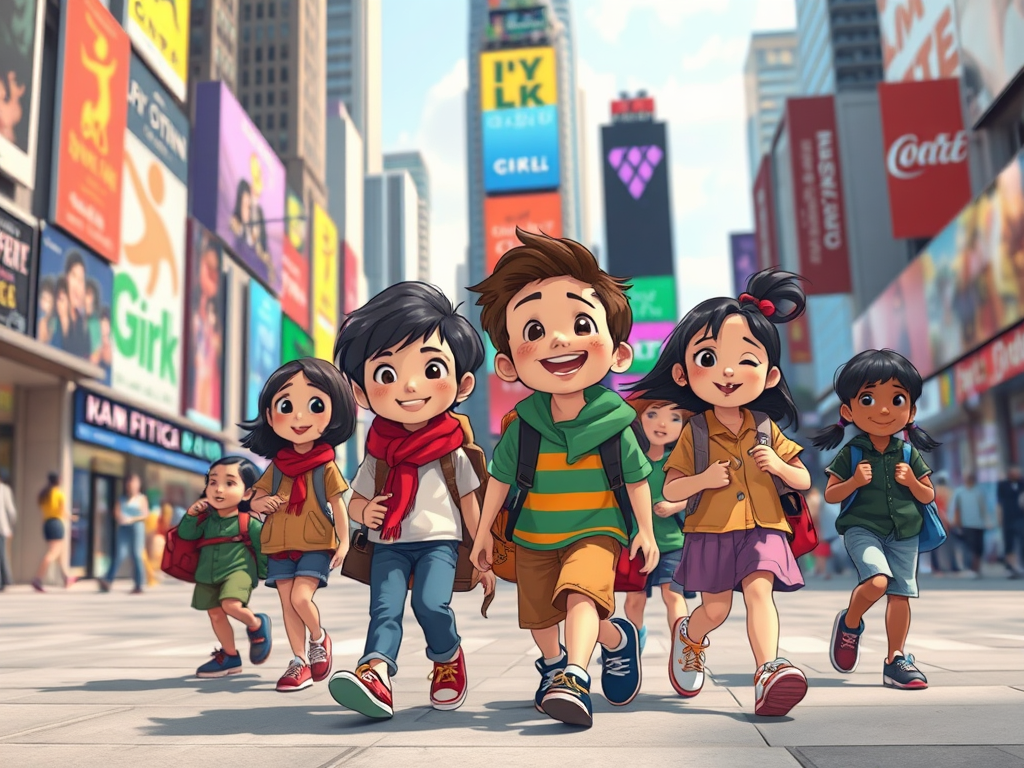
The world is increasingly interconnected, and with that comes a growing population of Third Culture Kids (TCKs). These individuals, who spend a significant portion of their developmental years outside their parents’ culture, navigate a unique landscape of cultural fluidity and identity formation. This blog post delves into the TCK experience, synthesizing key themes and ideas, and exploring the insightful “antipodean” perspective that challenges traditional understandings.
Defining the TCK: From Roots to Revisions
The term “Third Culture Kid” was coined in the 1950s by Ruth Hill Useem, initially describing children of American families working in India. The original definition centered on children of parents in sponsored, representative roles, growing up in a “third culture” created by their parents and host country nationals. However, the definition has evolved. Today, a TCK is understood as a globally mobile child who builds relationships across multiple cultures, without fully belonging to any single one. The sense of belonging is often found in shared experiences with others of similar backgrounds.
While terms like “global nomad” and “cross-culturally mobile students” are often used interchangeably, nuances exist. Critically, the concept of TCK has faced scrutiny. Some argue it’s overly generalized, failing to acknowledge the diverse realities of global mobility, from affluent expatriates to refugees. Moreover, the focus on “lack of belonging” can carry negative connotations.
Navigating Identity: The TCK Experience
TCKs often develop a unique cross-cultural identity, blending elements from different cultures. This leads to a feeling of being “between worlds,” grappling with the complex question of “Where are you from?”. Liminality, an ongoing state of being in between cultures, is a common experience, rather than a strong attachment to a singular “home.”
However, this cross-cultural upbringing fosters valuable skills. TCKs often exhibit enhanced adaptability, language proficiency, and intercultural sensitivity. They can navigate diverse social cues with ease, making them well-suited for international engagement.
Yet, challenges persist. Rootlessness, the difficulty in answering the “where are you from?” question, and maintaining deep relationships amidst frequent transitions are common struggles. Relocations involve a cycle of preparation, grief, excitement, and eventual settling, making maintaining long-distance friendships crucial.
International Schools: A “Third Space” for TCKs
International schools often serve as “third spaces” where cultures merge, providing a unique environment for TCKs. Through transition programs, culturally sensitive counseling, and fostering “international mindedness” in their curricula, these schools play a vital role in mitigating the negative effects of frequent relocations. However, some argue that more can be done, especially when local students are also enrolled.
The Antipodean Perspective: Challenging Center-Periphery Narratives
The “antipodean” perspective, exemplified by Burns (2011), offers a critical lens, challenging traditional social theory that often originates from global centers. It reframes theory from the global margins, acknowledging the two-way flow of culture and the importance of “sideways learning” from other peripheral regions.
This perspective critiques standard TCK accounts, which often focus on individuals moving between global powers. The experiences of those from the “antipodes” (Australia and New Zealand) may not perfectly align with these narratives. Jack’s story, involving movement between the antipodes, a global center (UK), and back, highlights the limitations of a simple binary understanding of national/cross-culturalism.
Jack’s experiences, such as the discouragement of his Shona language skills in the UK and the welcoming environment in Sri Lanka, demonstrate the nuances of intercultural interactions beyond center-periphery dynamics. His adult experiences in Australia, facing assumptions about his identity, further illustrate the rigidity of cultural categorizations.
Despite critiquing the TCK terminology, the antipodean perspective acknowledges the shared “central paradox” of cultural hybrids finding belonging among others with similar histories.
Conclusion: Embracing Nuance and Complexity
The TCK experience is multifaceted, encompassing both challenges and opportunities. The “antipodean” perspective adds valuable nuance, challenging traditional narratives and highlighting the need for geographically diverse approaches. Jack’s narrative underscores the importance of recognizing the complexity of intercultural identity formation. By embracing these diverse perspectives, we can better understand and support the unique journeys of Third Culture Kids.
 Teacher's Notes
Leave a comment